PTFE tube has become an important part of many industrial systems because it offers excellent chemical resistance, high temperature performance, and a very smooth inner surface. In industries where purity, durability, and reliability matter, PTFE tubing is often the preferred choice.
Whether it is used for chemical transfer, medical equipment, food processing, or high-performance machinery, PTFE tube helps improve system safety and long-term efficiency. For companies that want stable performance under demanding working conditions, this material delivers clear advantages.
What Is PTFE Tube?
PTFE stands for polytetrafluoroethylene, a high-performance fluoropolymer known for its outstanding resistance to heat, chemicals, and friction. PTFE tube is made from this material and is commonly used to transport liquids, gases, or sensitive media in applications where ordinary plastic or rubber tubing may fail.
Many buyers choose PTFE tubing because it performs well in both aggressive chemical environments and high-temperature conditions. In addition, its non-stick surface reduces material buildup, which helps maintain cleaner flow paths and easier maintenance.
Why PTFE Tube Is So Popular
PTFE tube is widely used because it combines several important properties in one product. Instead of solving only one problem, it helps users handle temperature, corrosion, cleanliness, and service life at the same time.
Excellent Chemical Resistance
One of the biggest strengths of PTFE tubing is its resistance to a wide range of chemicals. Acids, alkalis, solvents, and corrosive fluids can quickly damage many standard materials, but PTFE tube remains stable in these environments. This makes it a reliable option for chemical plants, laboratories, and fluid handling systems.
High Temperature Performance
PTFE tube can work in demanding temperature conditions where many other materials lose strength or deform. Because of this, it is often selected for equipment that operates with hot fluids, steam, or heated media. Stable performance under heat helps reduce downtime and improves production reliability.
Low Friction and Smooth Inner Surface
The inner wall of PTFE tube is very smooth, which supports efficient flow and reduces the chance of residue sticking to the surface. This feature is especially useful in industries that require clean transfer lines, such as food, beverage, pharmaceutical, and medical applications.
Strong Electrical Insulation
PTFE also has excellent electrical insulation properties. As a result, PTFE tubing is often used in electronic systems, wire protection, and specialized technical equipment where insulation safety is important.
Long Service Life
Because PTFE tube resists wear, corrosion, and aging, it can provide a long working life when used correctly. Over time, this helps lower replacement frequency and maintenance costs.
Common Applications of PTFE Tube
PTFE tube is used across many industries because it adapts well to different working conditions.
Chemical Industry
In chemical plants, PTFE tubing is often used to transfer aggressive liquids and gases. It helps protect the system from corrosion while maintaining flow safety.
Medical and Pharmaceutical Equipment
Cleanliness is critical in medical and pharmaceutical environments. PTFE tube offers a smooth and inert surface, which supports hygienic fluid transfer and reduces contamination risk.
Food and Beverage Processing
Food-grade systems often require tubing materials that do not react with the product. PTFE tube is a strong option for transferring sensitive liquids because it supports purity and easy cleaning.
Automotive and Industrial Machinery
PTFE tubing is also widely used in fuel systems, lubrication lines, pneumatic systems, and machinery protection. In these applications, durability and heat resistance are especially valuable.
Electronics and Electrical Protection
Because of its insulation performance, PTFE tube can be used to protect wires, sensors, and cables in demanding technical environments.
How to Choose the Right PTFE Tube
Choosing the correct PTFE tube is not only about material type. Buyers should also consider the full working condition and installation requirement.
Check the Working Temperature
Start by understanding the temperature range of the application. If the system involves continuous heat exposure, the tubing must match that demand.
Confirm Chemical Compatibility
Although PTFE has broad chemical resistance, it is still good practice to confirm the exact media being transferred. This helps ensure long-term reliability.
Select the Proper Size
Inner diameter, outer diameter, and wall thickness all affect flow, pressure, and flexibility. A proper size improves performance and installation efficiency.
Consider Pressure Requirements
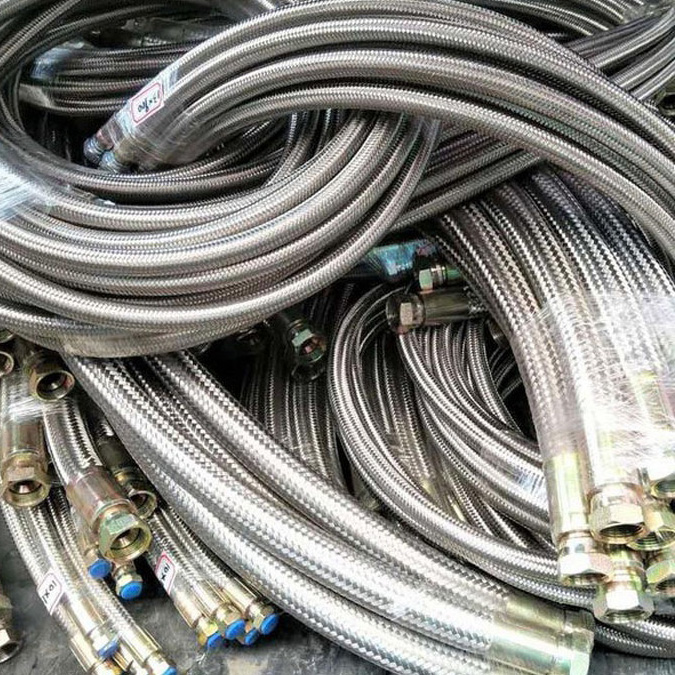
Some applications need tubing to handle higher pressure. In these cases, users may prefer reinforced PTFE hose assemblies instead of standard PTFE tube.
Think About Flexibility and End Use
For static installations, straight PTFE tube may be enough. For moving systems or complex routing, a more flexible PTFE hose solution may be better.
PTFE Tube vs Other Tubing Materials
Compared with common rubber or plastic tubing, PTFE tube offers better resistance to chemicals and heat. It also provides a cleaner internal surface and stronger long-term stability. While the initial cost may be higher than some standard materials, the long service life and reduced maintenance often make it a cost-effective choice in the long run.
For industries that cannot accept contamination, corrosion, or frequent replacement, PTFE tubing is often the smarter investment.
Why Quality Matters When Buying PTFE Tube
Not all PTFE tube products offer the same quality. Manufacturing control, raw material consistency, dimensional accuracy, and surface finish all affect final performance. A reliable supplier should be able to provide stable specifications, customization options, and professional support based on the customer’s application.
If the tubing is used in demanding industrial systems, choosing a trusted manufacturer can help avoid leakage, early failure, and unnecessary downtime.
Conclusion
PTFE tube is a high-value solution for industries that need chemical resistance, temperature stability, cleanliness, and durability. From chemical transfer to food processing and medical systems, PTFE tubing supports safer and more efficient operation.
As industrial requirements continue to rise, more companies are choosing PTFE tube to improve product quality and reduce maintenance risk. If you are looking for a dependable tubing solution for demanding applications, PTFE tube is well worth considering.