In modern electrical and communication infrastructure, cable conduit plays a critical role in protecting, organizing, and extending the service life of power cables, control cables, and data transmission lines. Whether in industrial plants, commercial buildings, underground utilities, or renewable energy projects, a reliable cable conduit system ensures safety, mechanical protection, and long-term operational stability. As global demand for high-performance wiring systems continues to grow, cable conduit solutions are evolving to meet stricter safety standards, harsher environments, and higher installation efficiency requirements.
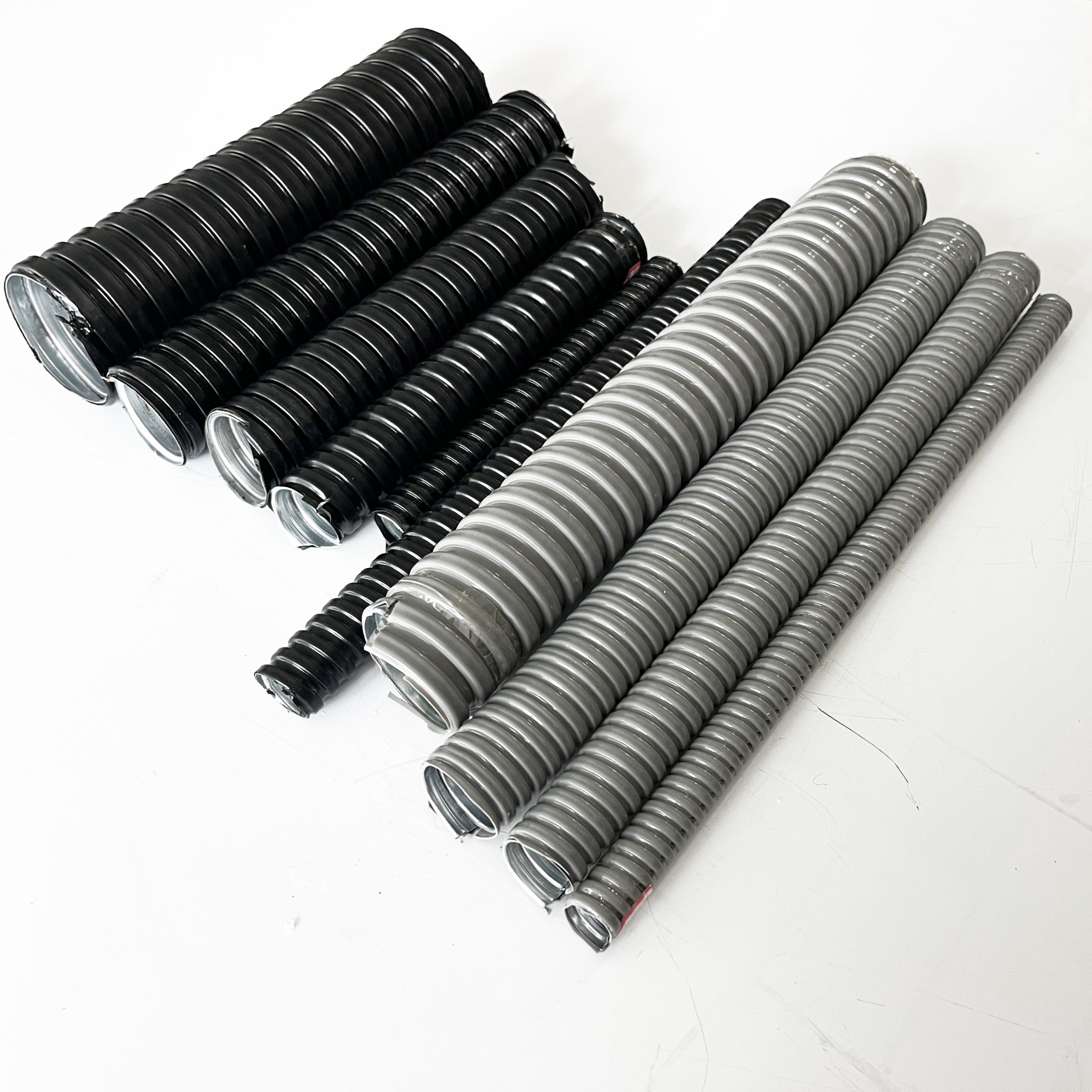
Cable conduit is generally classified according to material, structure, and application environment. Metal conduit, such as galvanized steel conduit, stainless steel conduit, and flexible metal conduit, is widely used in industrial environments where high mechanical strength, impact resistance, and fire protection are essential. Stainless steel conduit is particularly suitable for corrosive environments such as chemical plants, offshore platforms, and food processing facilities due to its excellent resistance to rust and chemical attack. On the other hand, non-metallic conduit, including PVC conduit, HDPE conduit, and other plastic-based systems, is favored for its lightweight structure, corrosion resistance, and cost-effectiveness. These materials are commonly used in residential buildings, commercial complexes, underground cable laying, and municipal infrastructure projects. Flexible conduit systems provide additional advantages in installations requiring vibration resistance or complex routing, such as machinery connections, HVAC systems, and automation equipment.
The application scope of cable conduit is extremely broad. In power distribution systems, conduit protects cables from mechanical damage, moisture, dust, and chemical exposure while maintaining organized cable routing. In telecommunications and data networks, conduit ensures signal cables remain shielded from external interference and environmental stress. In oil and gas facilities, mining operations, and heavy manufacturing plants, heavy-duty conduit systems safeguard critical control and instrumentation cables under extreme working conditions. With the rapid expansion of solar farms, wind power stations, and electric vehicle charging infrastructure, cable conduit has also become an essential component in renewable energy projects, ensuring long-term outdoor durability and safe cable management.
Beyond protection, cable conduit significantly enhances safety performance. By enclosing electrical conductors, conduit systems reduce the risk of short circuits, fire hazards, and accidental contact. Many metal conduit systems also provide effective grounding and electromagnetic shielding, which improves system reliability in high-interference environments. In addition, conduit simplifies maintenance and future system upgrades, as cables can be replaced or added without extensive reconstruction. This flexibility reduces downtime and long-term operational costs for project owners.
From a project perspective, the advantages of cable conduit extend to installation efficiency and compliance with international standards. Modern conduit systems are designed for easy coupling, threading, bending, and sealing, which shortens construction time and improves installation quality. High-quality conduit products comply with international certifications and safety regulations, ensuring acceptance in global markets. For contractors and EPC companies, choosing the right conduit system means achieving a balance between mechanical strength, corrosion resistance, cost control, and lifecycle performance.
As infrastructure projects become more complex and safety requirements become more stringent, the importance of selecting a reliable cable conduit solution continues to increase. Whether for industrial manufacturing plants, large-scale utility networks, or advanced smart building systems, cable conduit remains a fundamental yet strategic component in ensuring secure, organized, and durable cable management. By combining material innovation, structural design optimization, and strict quality control, modern cable conduit systems provide long-term value and performance for projects worldwide.