
What Is Braided Copper Wire Used For? A Flexible Solution for Grounding, Bonding, and Power Connection
Braided copper wire is widely used in electrical systems that need both strong conductivity and reliable flexibility. Unlike rigid conductors, it bends more easily, adapts to tight installation spaces, and performs better in equipment exposed to vibration, thermal expansion, or repeated movement. That is why many engineers and buyers choose this type of copper conductor for grounding, bonding, shielding, and flexible power transfer.
In modern industry, electrical connections often work under demanding conditions. Machines vibrate, metal parts expand with heat, and some components move during normal operation. In these situations, a flexible copper braid offers a practical alternative to solid wire or stiff busbar links.
Why This Copper Conductor Is Widely Used
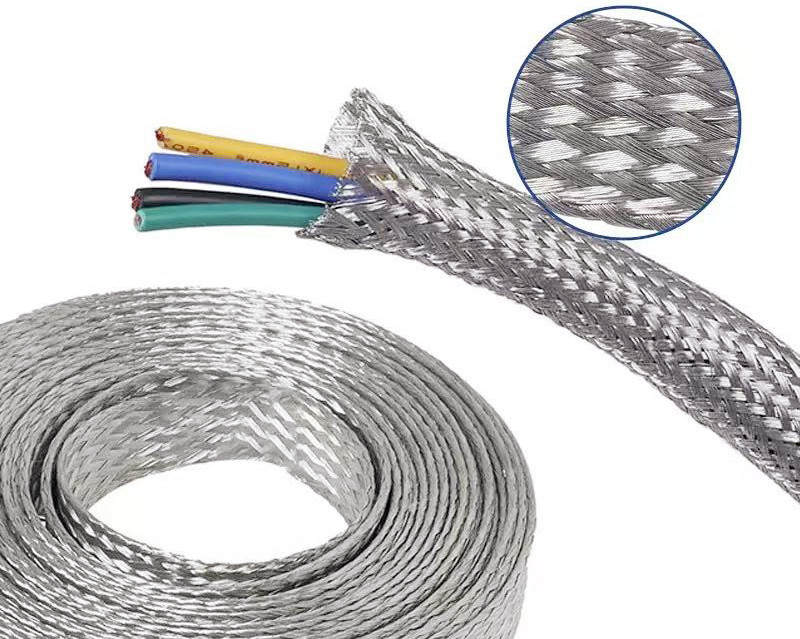
This product is made from many fine copper strands woven together into a braid. That structure gives it an important advantage: it can carry current efficiently while also handling mechanical stress far better than a rigid connection.
In real working environments, solid conductors can become difficult to install or may suffer fatigue over time. A braided design helps reduce that risk by offering:
- high conductivity
- excellent flexibility
- better vibration resistance
- easier installation in compact spaces
- improved tolerance to movement and expansion
Because of these benefits, it is commonly selected for both light-duty and heavy-duty electrical applications.
Main Uses in Industrial Systems
Grounding Connections
One of the most common applications is electrical grounding. Many machines, switchboards, transformers, control cabinets, and power distribution systems need a safe and stable grounding path. A copper braid works well in these conditions because it stays reliable even when the equipment shakes or shifts during operation.
This is why grounding straps made from woven copper are widely used in industrial installations.
Bonding Between Metal Parts
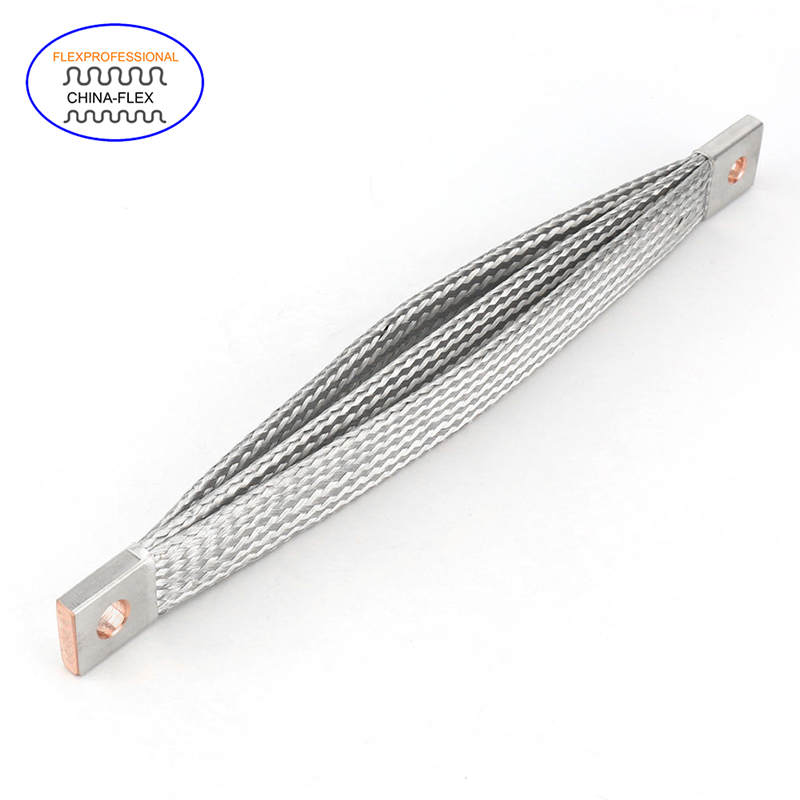
Another important use is bonding. Metal doors, machine covers, hinged panels, and removable enclosures often need to remain at the same electrical potential. A flexible bonding strap makes that possible while also allowing movement.
Compared with a rigid wire, a braided connector lasts longer in applications where parts open and close repeatedly. This makes it a dependable choice for cabinets, electrical enclosures, and machinery frames.
Flexible Power Transfer
Some systems need to carry current through a connection point that must also absorb motion. In these cases, a flexible copper conductor is often used between components that move slightly or expand under heat.
Typical examples include:
- battery systems
- welding machines
- generators
- power distribution units
- industrial furnaces
- motor connections
The braid helps maintain a stable current path while reducing mechanical stress at the joint.
Busbar Connectors
Copper braid is also widely used as a flexible link between busbars. In high-current systems, busbars may expand because of temperature rise or shift slightly because of vibration. A rigid connector can create stress at the connection point, while a braided link absorbs that movement more effectively.
For this reason, many customers use it in switchgear, substations, and heavy industrial electrical systems.
Shielding and Special Electrical Applications
In some designs, woven copper is also used for shielding and special electrical protection. Because copper has excellent conductivity, it can help reduce interference and support more stable operation in sensitive systems.
Depending on the project, this kind of material may be used in cable assemblies, communication systems, and specialized control equipment.
Industries That Commonly Use Copper Braid
This product appears in many industries because it combines conductivity, flexibility, and mechanical durability. Buyers from the following sectors often require it:
- power distribution
- industrial machinery
- railway and transportation
- automotive manufacturing
- welding equipment
- renewable energy
- telecommunications
- marine systems
- switchgear and control panels
If your project needs a flexible electrical connection, grounding strap, or bonding solution, this material is often a suitable option.
Bare Copper or Tinned Copper?
Customers usually choose between bare copper and tinned copper according to the working environment.
Bare copper offers very strong conductivity and is suitable for many indoor applications. Tinned copper provides better resistance to oxidation and corrosion, so it is often preferred in humid, outdoor, marine, or demanding industrial environments.
When the installation area involves moisture or corrosive conditions, a tinned version is usually the better long-term choice.
Why Many Buyers Request Custom Sizes
Different projects require different braid widths, thicknesses, lengths, and terminal structures. Some customers need flat grounding straps, while others need round flexible connectors or assembled parts with terminals on both ends.
A dependable supplier should be able to provide:
- different cross-sectional areas
- flat or round constructions
- bare or tinned copper options
- customized lengths
- crimped or welded terminals
- flexible connectors based on drawings or samples
Custom production helps match the conductor to the actual equipment instead of forcing the customer to adapt a standard part.
How to Choose the Right Product
Before requesting a quotation, buyers should confirm several details:
- application type
- current requirement
- braid width or diameter
- total length
- copper material type
- terminal style if required
- working environment
- technical standards or special requirements
Once these points are clear, the supplier can recommend a more suitable solution and prepare a more accurate offer.
Looking for a Reliable Supplier?
If you are sourcing braided copper wire for grounding, bonding, shielding, or flexible electrical connection, choosing the right specification is important. The right structure improves performance, increases durability, and makes installation easier.
We can provide different copper braid solutions according to customer requirements. Whether you need standard braided conductors, tinned copper assemblies, grounding straps, or customized flexible connectors, we can support your project with suitable recommendations and quotation service.
Conclusion
Braided copper wire is mainly used in grounding, bonding, shielding, and flexible electrical connections where both conductivity and movement tolerance matter. From power equipment to industrial machinery, it helps create safer, more reliable, and longer-lasting connections.
If you are looking for the right copper braid for your project, send us your specifications, drawings, or application details for quotation.